

# How Starlink Works: A Simple Guide to High-Speed Satellite Internet
#
# How Does Starlink Work?
Starlink is a high-speed satellite internet service developed by SpaceX that delivers broadband internet to homes, businesses, RVs, construction sites, farms, and other locations where traditional cable or fiber internet may be unavailable or unreliable. Unlike older satellite internet systems that rely on a single satellite more than 22,000 miles above Earth, Starlink uses a constellation of thousands of low Earth orbit (LEO) satellites positioned approximately 340 to 550 kilometers (210 to 340 miles) above the planet. This significantly shorter distance allows Starlink to provide much lower latency and faster response times, making activities such as video conferencing, online gaming, streaming, and cloud-based work far more practical.
## How the System Connects You to the Internet
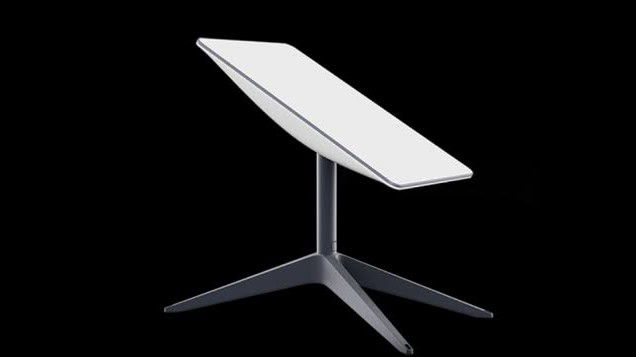
The Starlink system consists of four primary components: the satellite dish (often called "Dishy"), a Wi-Fi router, the Starlink satellite network, and ground stations connected to the global internet. When your Starlink dish is powered on, it automatically searches the sky and locks onto the strongest available satellites overhead. As satellites move across the sky, the dish continuously switches connections from one satellite to another without interrupting your internet service. Data is transmitted between your dish and the satellites, then routed through secure ground stations or laser links between satellites before reaching the internet.
## Why Starlink Is Faster Than Traditional Satellite Internet
Traditional satellite internet providers rely on geostationary satellites located about 22,236 miles (35,786 km) above Earth. Because signals must travel such a long distance, users often experience noticeable delays, especially during video calls or online gaming. Starlink's low Earth orbit satellites dramatically reduce that travel distance, resulting in much lower latency—often between 20 and 50 milliseconds under good conditions. This creates a much smoother online experience for streaming, remote work, voice calls, security systems, and many other everyday internet applications.
## Why Proper Installation Matters
Although Starlink equipment is designed for self-installation, the location of the satellite dish plays a major role in overall performance. Trees, nearby buildings, chimneys, roof structures, utility poles, and other obstructions can interfere with the dish's view of the sky and cause temporary interruptions. A professional site survey can help determine the optimal mounting location for the clearest view of the satellites. Proper cable routing, weatherproof mounting, grounding where appropriate, and secure installation also help maximize long-term reliability and protect your investment.
## Residential and Business Applications
Starlink is used in a wide variety of environments, including residential homes, apartment communities, offices, warehouses, restaurants, retail stores, medical practices, hotels, schools, construction sites, agricultural operations, and recreational vehicles. Many businesses also use Starlink as a backup internet connection to maintain operations during outages from traditional internet providers.
## Typical Speeds and Performance
Internet performance depends on your service plan, network demand, and installation conditions. Many users experience download speeds ranging from approximately 100 to over 300 Mbps with upload speeds capable of supporting video conferencing, cloud applications, security cameras, and multiple connected devices. Because the Starlink network continues to expand with additional satellites, overall coverage and capacity continue to improve over time.
## Professional Starlink Installation
A professional installation helps ensure your system performs at its full potential from the very beginning. Proper placement of the dish, secure mounting hardware, clean cable management, weather-resistant installation techniques, and complete system testing all contribute to a reliable internet connection. Professional installers can also integrate Starlink with existing home or business networks, mesh Wi-Fi systems, outdoor access points, failover internet solutions, and enterprise networking equipment.
## Ready to Get Started?
Whether you're installing Starlink at your home, office, business, construction site, or remote property, choosing the correct mounting location and ensuring a clean professional installation can make a significant difference in long-term performance and reliability.
A properly installed Starlink system provides fast, dependable internet where traditional broadband options may not be available—helping you stay connected wherever you live or work.
# How Does Starlink Work? Starlink is a high-speed satellite internet service developed by SpaceX that delivers broadband internet to homes, businesses, RVs, construction sites, farms, and other locations where traditional cable or fiber internet may be unavailable or unreliable. Unlike older satellite internet systems that rely on a single satellite more than 22,000 miles above Earth, Starlink uses a constellation of thousands of low Earth orbit (LEO) satellites positioned approximately 340 to 550 kilometers (210 to 340 miles) above the planet. This significantly shorter distance allows Starlink to provide much lower latency and faster response times, making activities such as video conferencing, online gaming, streaming, and cloud-based work far more practical. ## How the System Connects You to the Internet The Starlink system consists of four primary components: the satellite dish (often called "Dishy"), a Wi-Fi router, the Starlink satellite network, and ground stations connected to the global internet. When your Starlink dish is powered on, it automatically searches the sky and locks onto the strongest available satellites overhead. As satellites move across the sky, the dish continuously switches connections from one satellite to another without interrupting your internet service. Data is transmitted between your dish and the satellites, then routed through secure ground stations or laser links between satellites before reaching the internet. ## Why Starlink Is Faster Than Traditional Satellite Internet Traditional satellite internet providers rely on geostationary satellites located about 22,236 miles (35,786 km) above Earth. Because signals must travel such a long distance, users often experience noticeable delays, especially during video calls or online gaming. Starlink's low Earth orbit satellites dramatically reduce that travel distance, resulting in much lower latency—often between 20 and 50 milliseconds under good conditions. This creates a much smoother online experience for streaming, remote work, voice calls, security systems, and many other everyday internet applications. ## Why Proper Installation Matters Although Starlink equipment is designed for self-installation, the location of the satellite dish plays a major role in overall performance. Trees, nearby buildings, chimneys, roof structures, utility poles, and other obstructions can interfere with the dish's view of the sky and cause temporary interruptions. A professional site survey can help determine the optimal mounting location for the clearest view of the satellites. Proper cable routing, weatherproof mounting, grounding where appropriate, and secure installation also help maximize long-term reliability and protect your investment. ## Residential and Business Applications Starlink is used in a wide variety of environments, including residential homes, apartment communities, offices, warehouses, restaurants, retail stores, medical practices, hotels, schools, construction sites, agricultural operations, and recreational vehicles. Many businesses also use Starlink as a backup internet connection to maintain operations during outages from traditional internet providers. ## Typical Speeds and Performance Internet performance depends on your service plan, network demand, and installation conditions. Many users experience download speeds ranging from approximately 100 to over 300 Mbps with upload speeds capable of supporting video conferencing, cloud applications, security cameras, and multiple connected devices. Because the Starlink network continues to expand with additional satellites, overall coverage and capacity continue to improve over time. ## Professional Starlink Installation A professional installation helps ensure your system performs at its full potential from the very beginning. Proper placement of the dish, secure mounting hardware, clean cable management, weather-resistant installation techniques, and complete system testing all contribute to a reliable internet connection. Professional installers can also integrate Starlink with existing home or business networks, mesh Wi-Fi systems, outdoor access points, failover internet solutions, and enterprise networking equipment. ## Ready to Get Started? Whether you're installing Starlink at your home, office, business, construction site, or remote property, choosing the correct mounting location and ensuring a clean professional installation can make a significant difference in long-term performance and reliability. A properly installed Starlink system provides fast, dependable internet where traditional broadband options may not be available—helping you stay connected wherever you live or work.